
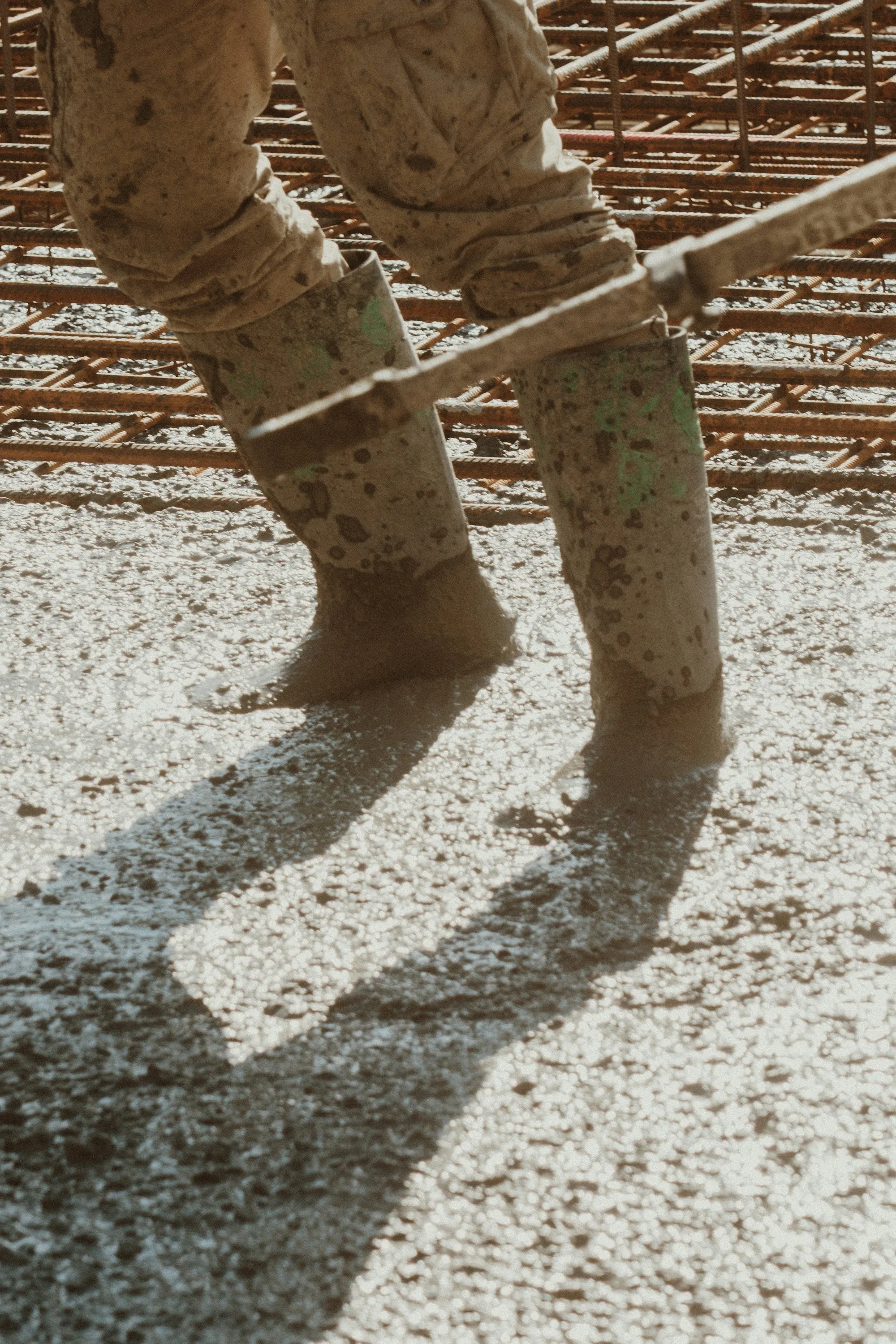
Slabs at ground level
Concrete Flatwork in Countryside, IL
Pads, aprons and side-yard slabs. Flat, square, sloped to drain and thick enough for the job.
Small Slabs Still Need Real Prep
Flatwork is any concrete poured flat at ground level. A pad under the shed. A pad for the AC unit. A strip along the side of the house for the trash cans. An apron where the drive meets the alley. These jobs look minor. They are also where corners get cut most often. Someone dumps concrete on bare dirt, smooths the top and calls it done. A year later the pad has tipped, the shed door sticks and there is a crack across the middle. We do not pour that way. Every slab starts with a dig down to firm soil. We strip the topsoil and roots, then pack crushed stone in layers. Forms are staked level in one direction and sloped just enough in the other to move water off. Then the concrete goes in at a thickness picked for the load. A pad for a lawn tractor is not a pad for a hot tub. We ask what will sit on it and pour accordingly. Clay soil is common around Countryside, and clay holds water. That makes the base even more important here. Joints are cut, the surface is finished for grip and the slab is kept damp while it cures.
What Comes With Every Slab
Big or small, the checklist is the same.
Old concrete removed
Broken pads and slabs cut out and hauled away. We do not pour over them.
Dig to firm ground
Topsoil, roots and soft fill come out so the base sits on solid soil.
Stone packed in lifts
Crushed stone spread and compacted layer by layer for even support.
Forms set level and sloped
Square edges, flat across, with a slight fall to move rain off.
Steel when weight calls for it
Mesh or rebar on slabs that carry heavy loads. Listed in the price.
Grip finish and joints
Broom texture so it is not slick, and control joints so cracks stay straight.
Area cleaned and backfilled
Forms pulled, dirt pushed back along the edges, debris gone.
Three Steps to a Solid Pad
Look and measure
We check the spot, the slope and the access. You tell us what goes on the slab. You get a written price.
Dig and pack
Old concrete out, ground dug to firm soil, stone compacted, forms staked.
Pour and cure
Concrete placed and finished. Joints cut. Slab kept protected while it cures. Site cleaned.
Why Our Pads Stay Put
No pouring on dirt
Every slab gets a compacted stone base. No exceptions for small jobs.
Sized to the load
We ask what the slab holds. Then we pick the depth.
Water goes somewhere
A slight slope on every pad keeps puddles and ice from forming on top.
- Dug to solid soil
- Stone compacted underneath
- Sloped to drain
- Debris hauled off
Need a Pad Poured?
Give us the size and what is going on it. We can usually talk depth and base right on the call, then set a time to measure.